
Hearing Tests & Diagnostic Assessments
A hearing test is a chance to get answers about your hearing, even if you are not sure anything is wrong. You can ask questions, talk about what has been bothering you and find out what the results mean.
At Wavefront Hearing, we explain the process as we go and take time to review what we find. You will know where your hearing stands and what your options are.
What Happens During Your Appointment
Your appointment begins with a conversation about your hearing, medical history and any medications you take. We will also ask about the situations where hearing has felt more difficult. This helps us choose the tests that make the most sense for you.
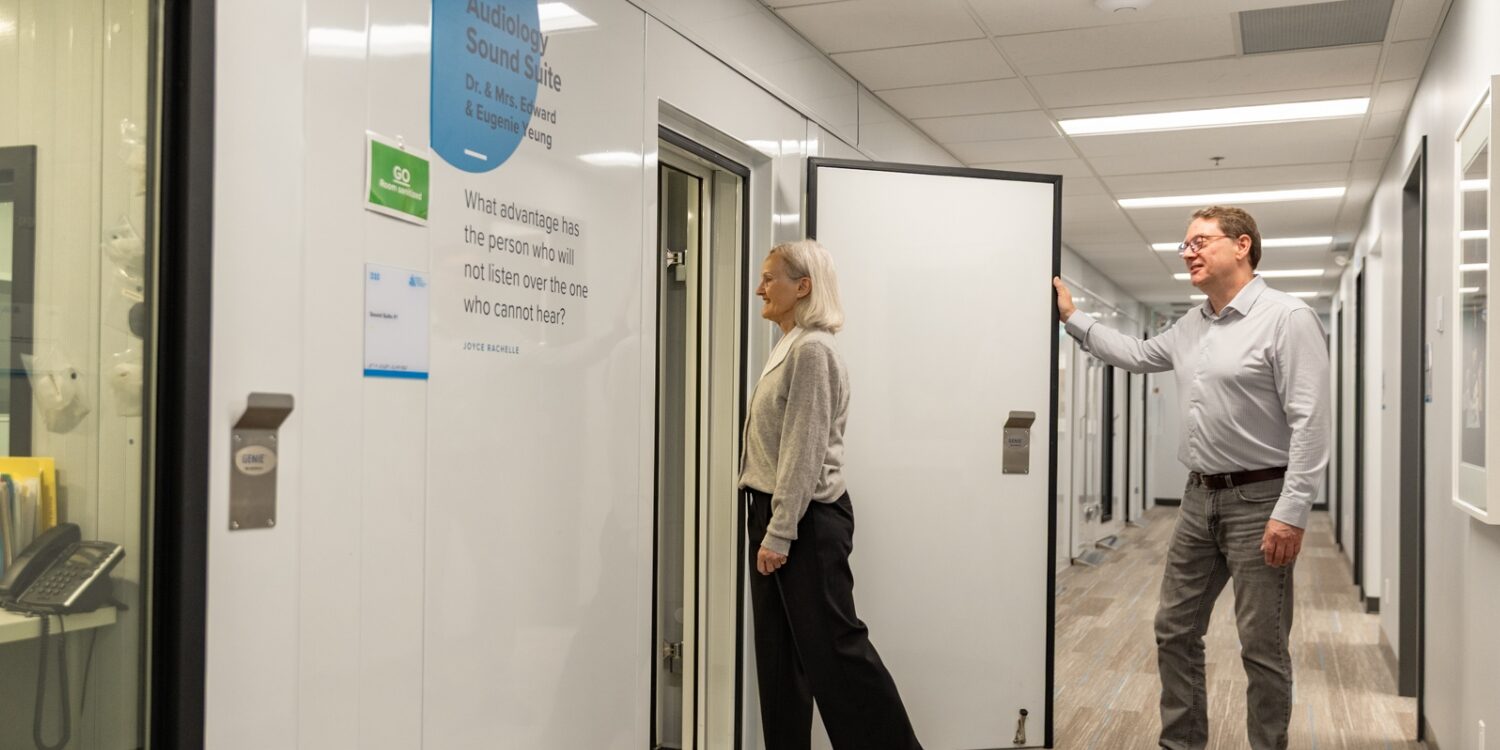
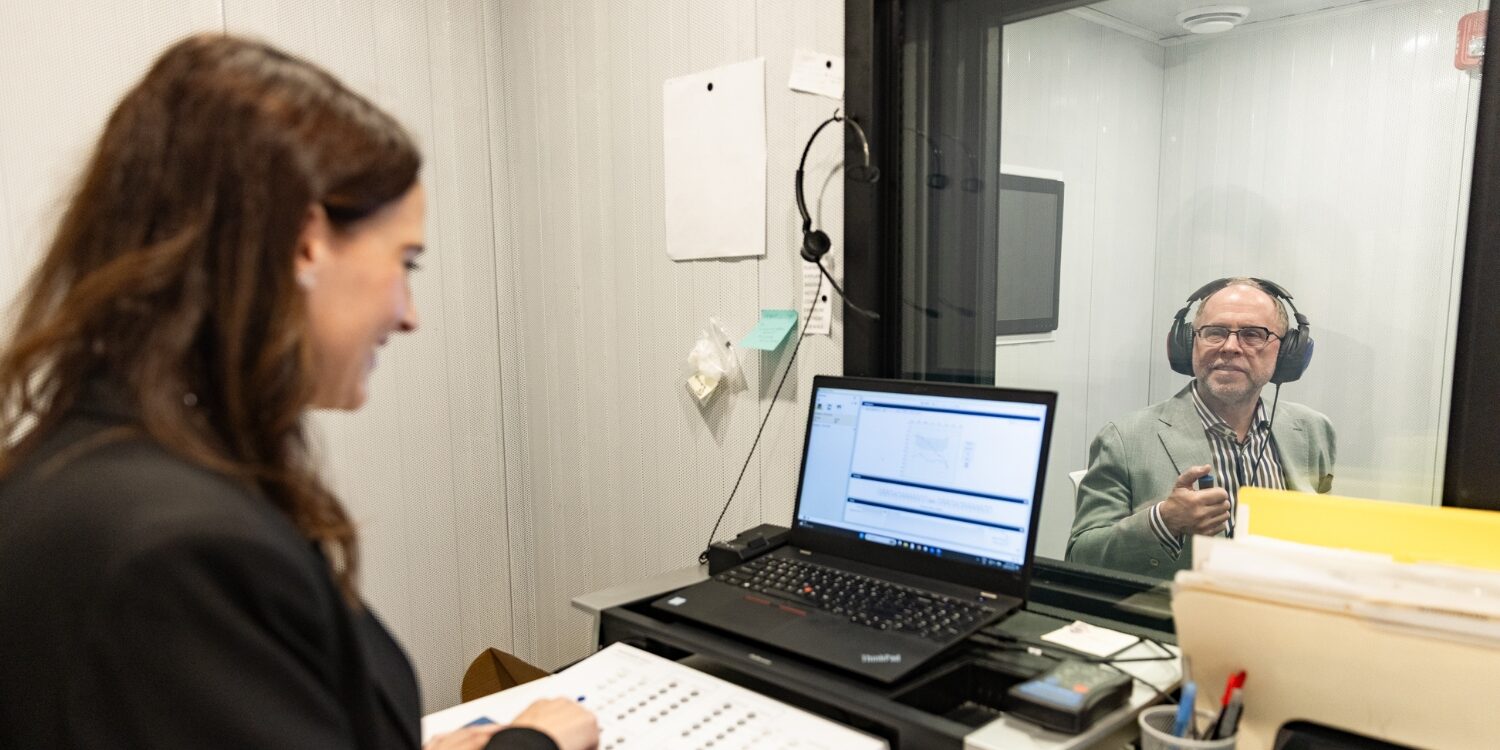
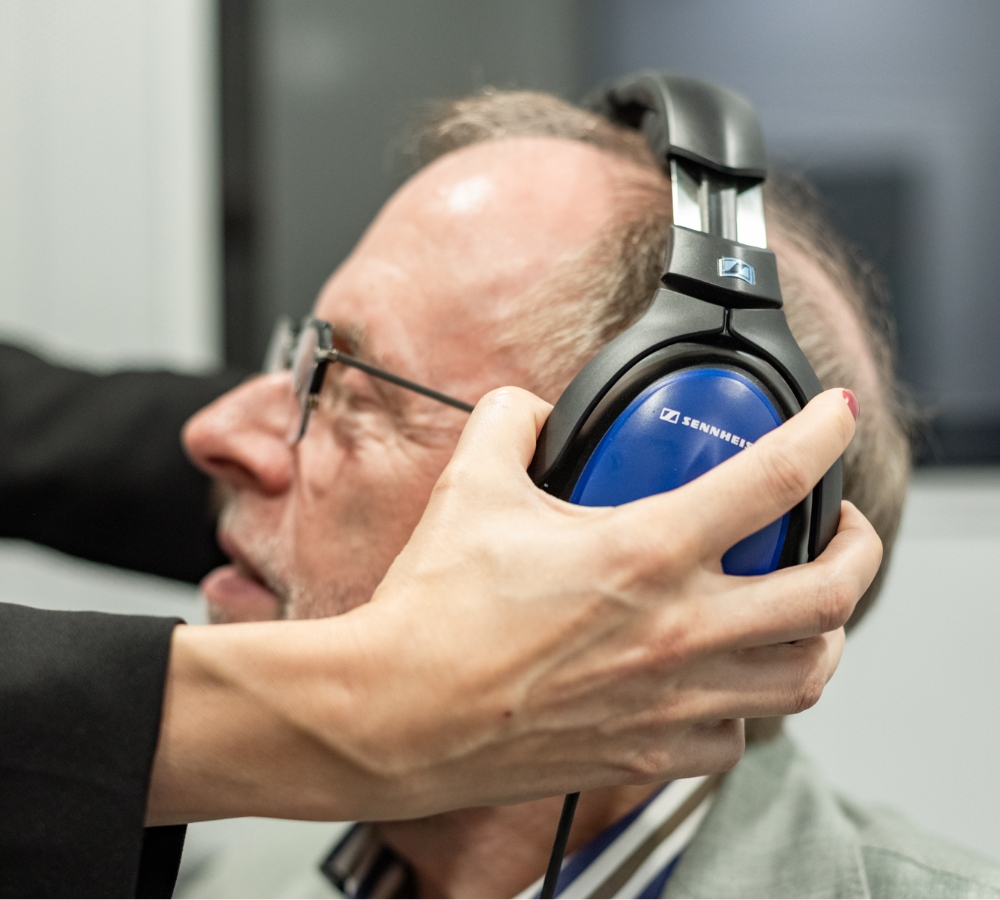
- Most of the testing takes place in a sound booth while you wear headphones or small inserts. You will listen for a series of tones at different pitches and volumes, with each ear tested separately. This shows us the softest sounds you can hear across a range of frequencies.
- We will also check how clearly you understand speech. Some words may be presented in quiet, while others may be played with background noise. These tests help show whether voices are loud enough but still difficult to follow.
- Tympanometry may also be included if we need more information about your middle ear. This test checks how your eardrum responds to gentle changes in air pressure. It can help identify issues such as fluid, pressure changes or reduced movement.
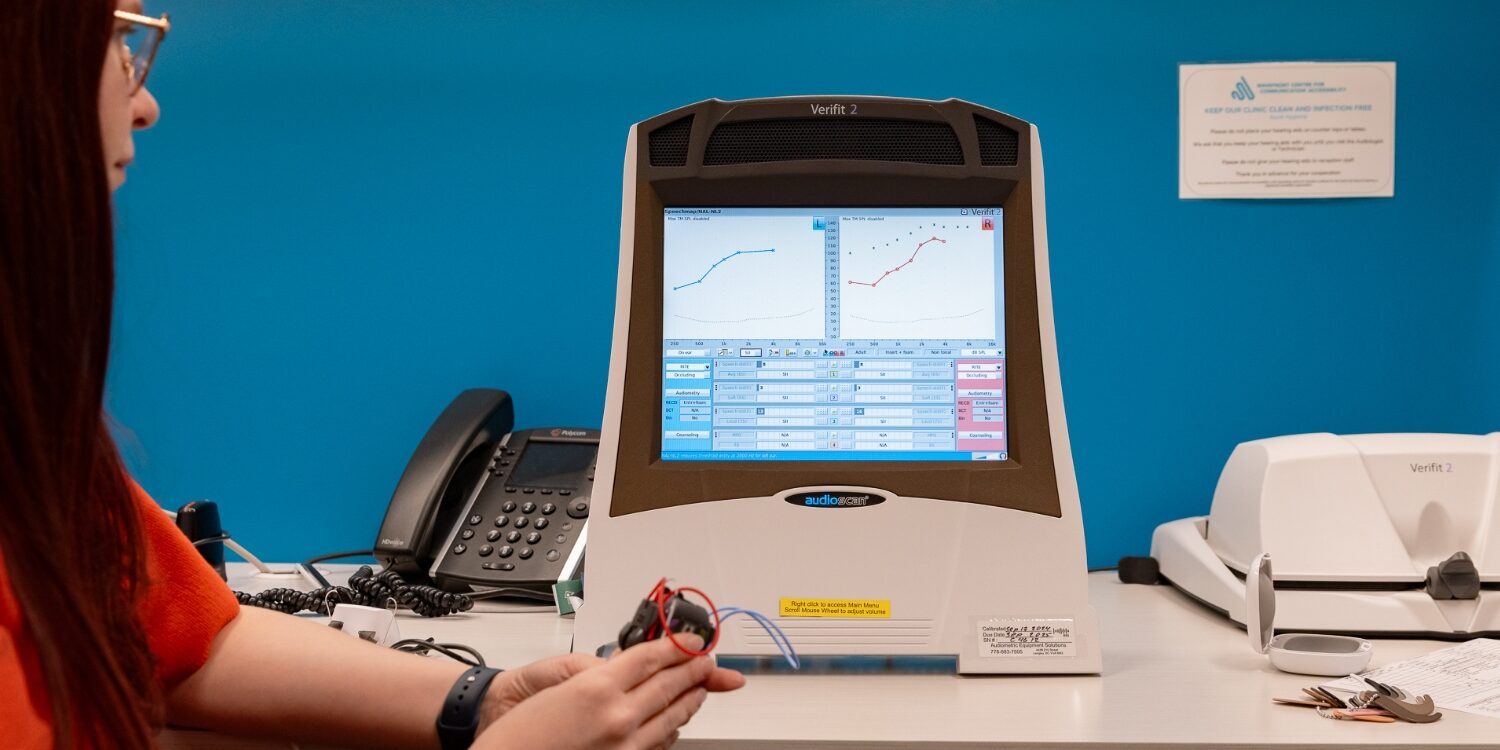
- Once the testing is complete, we will review your audiogram and explain what the results mean. You will have time to ask questions and talk through any next steps.

Why Regular Hearing Testing Matters
Hearing doesn’t usually change in a way that’s easy to notice from one week to the next. You may find yourself asking people to repeat themselves more often or turning the television up a little louder without thinking much about it.
Small changes like these are easy to get used to, which is one reason regular hearing tests are useful. Each hearing test gives us another set of results to compare with your previous evaluation.
The Importance of Annual Testing
While many providers suggest hearing tests every two years, we recommend annual evaluations. Annual testing is especially important for Canadians over 50 or those exposed to occupational noise.
Regular appointments help our clinicians distinguish between temporary issues, like earwax or infections and changes in your hearing. That ongoing record also makes it easier to see if your hearing has changed.
Frequently Asked Questions
What are the symptoms of hearing loss?
Hearing loss doesn’t look the same for everyone. Common symptoms include difficulty following conversations, especially in background noise, misunderstanding similar-sounding words and missing higher-pitched sounds. You may also notice ringing in the ears, turning the television up louder than others prefer or feeling more tired after conversations because listening takes more effort.
Why are hearing tests important?
Hearing tests show how well you hear and give us a baseline for future comparisons. They can also catch changes early, when there may be more options for treatment or support. Some health conditions, including diabetes and cardiovascular disease, can affect hearing. A hearing test may show a change that deserves further discussion, but it cannot diagnose the underlying medical condition.
When should I have my hearing tested?
If it’s been more than a year since your last hearing test, it’s time to schedule another one. Annual testing is recommended after age 50 and for anyone regularly exposed to loud noise. You should also have your hearing checked if you notice changes in your hearing, develop tinnitus or experience sudden hearing loss.
How do I prepare for my hearing test?
Preparing for a hearing test is straightforward. Avoid loud noise for at least 24 hours before your appointment so temporary changes don’t affect your results. Bring a list of any medications you take, as some may affect hearing. You may also want to bring a family member who can share observations or help you remember information from the appointment.
Do I need a referral for hearing testing?
At Wavefront Hearing, you don’t need a physician referral for a hearing test. You can book directly with our clinic for a routine evaluation or if you have concerns about your hearing. If you’re using insurance, check your plan first, as referral requirements vary. Our team can also answer questions about your coverage when you schedule your appointment.
Can I bring a family member to my appointment?
We encourage you to bring a family member or close friend to your appointment. They may notice changes in your hearing that you’ve overlooked and can share those observations with your clinician. They can also help you remember the information discussed during your visit.
How often should I get my hearing tested?
We recommend annual hearing tests for most adults, especially those over the age of 50 or anyone with risk factors like noise exposure, diabetes or cardiovascular disease. If you have hearing loss or wear hearing aids, yearly appointments help us monitor changes over time. Adults under 50 with no symptoms or known risk factors may only need testing every two years.