
Hearing Aid Services
Hearing concerns can show up in different ways. You may be missing parts of conversations, noticing ringing or simply wondering if something has changed. Wavefront Hearing offers a range of services to help you understand what is happening and decide what comes next. That may include hearing assessments, hearing aids, tinnitus support or ongoing care.
Your Hearing Aid Evaluation
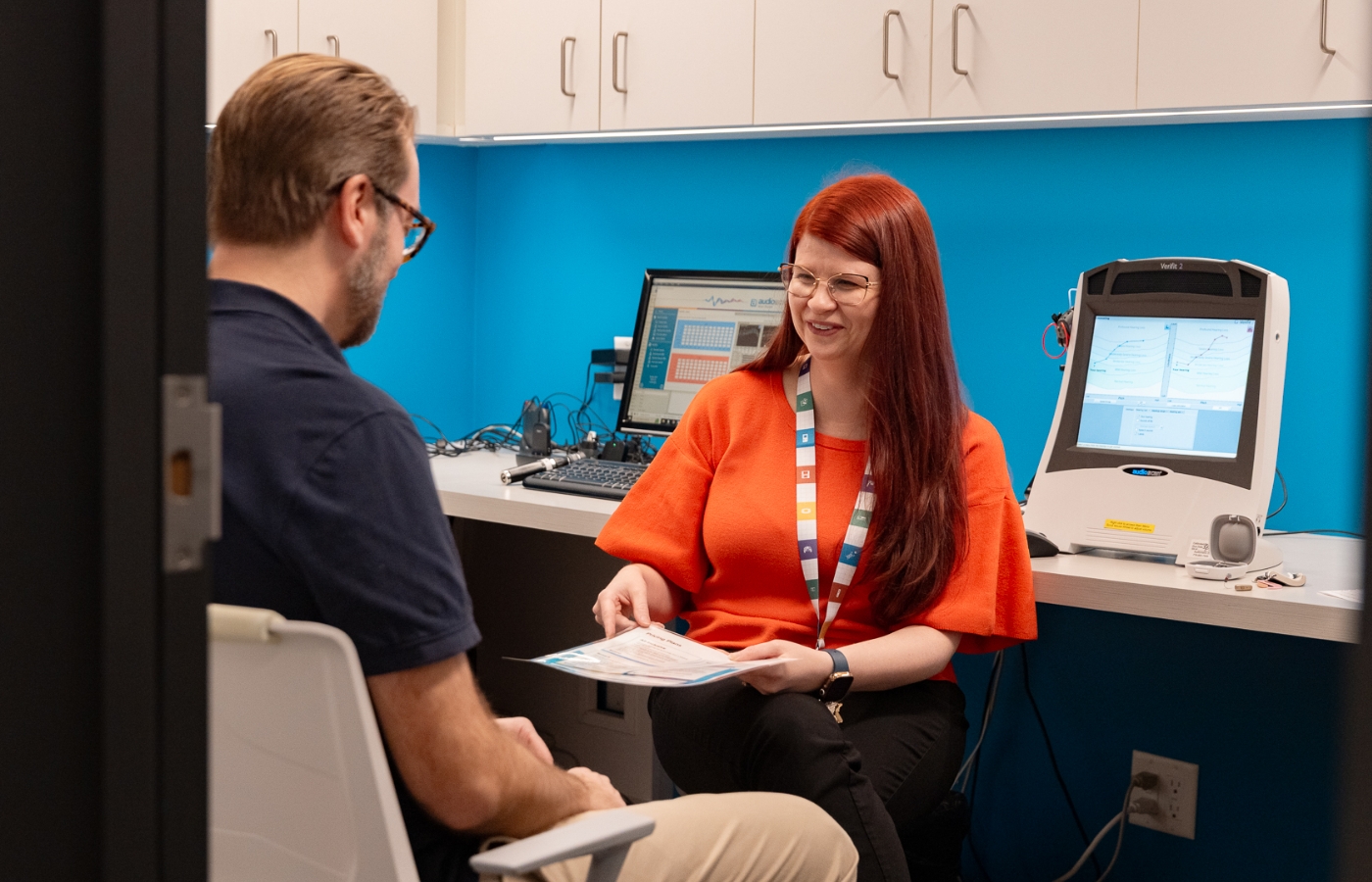
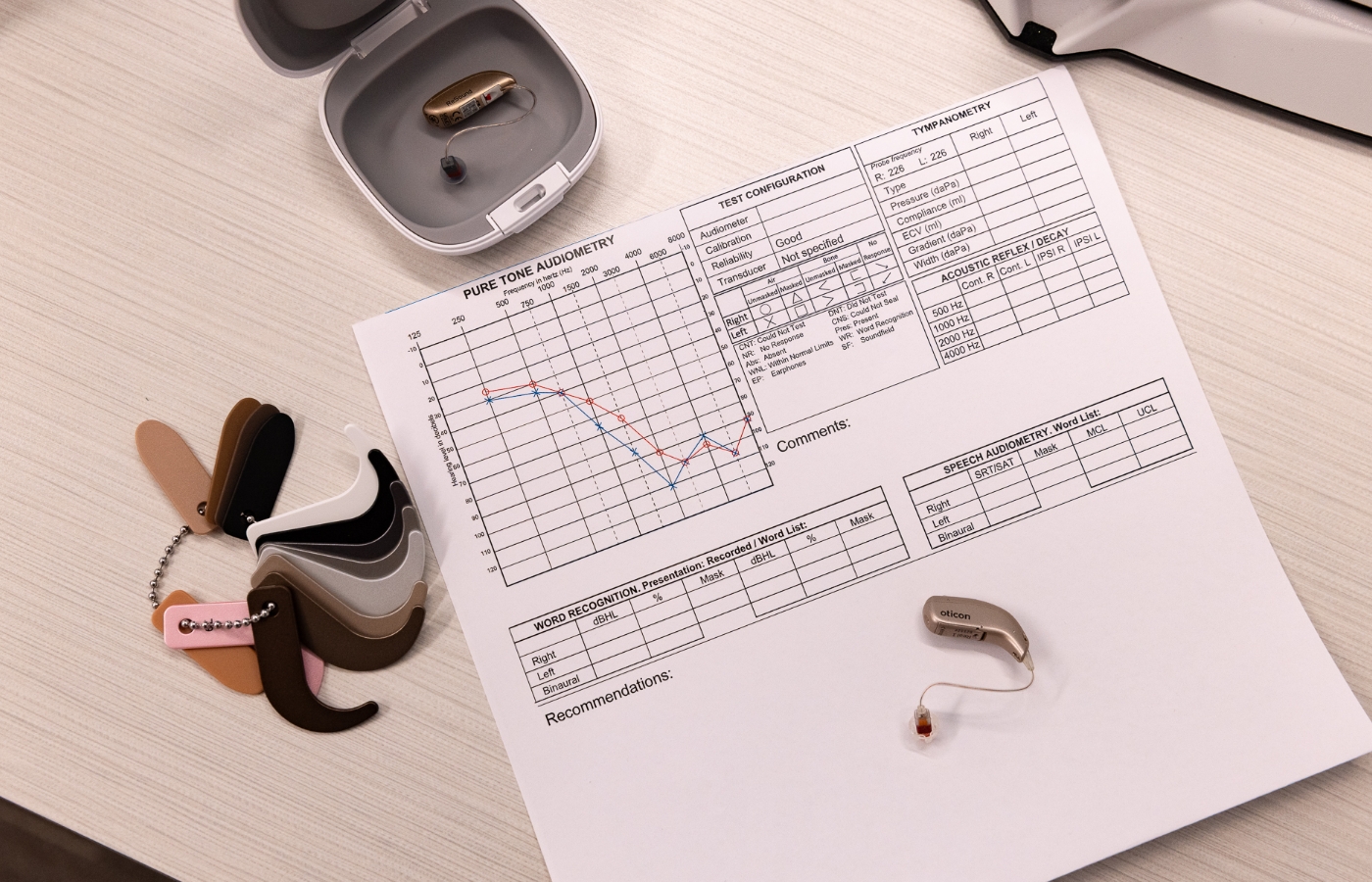
A hearing aid evaluation begins with a conversation about your hearing, daily routine and the situations where listening is most difficult. We’ll review your hearing test results together and explain how they relate to the challenges you’ve noticed.
That discussion helps us understand what you want to improve before recommending any technology. You’ll also have the opportunity to see different hearing aid styles and learn how their features compare.
Choosing the Right Hearing Aids
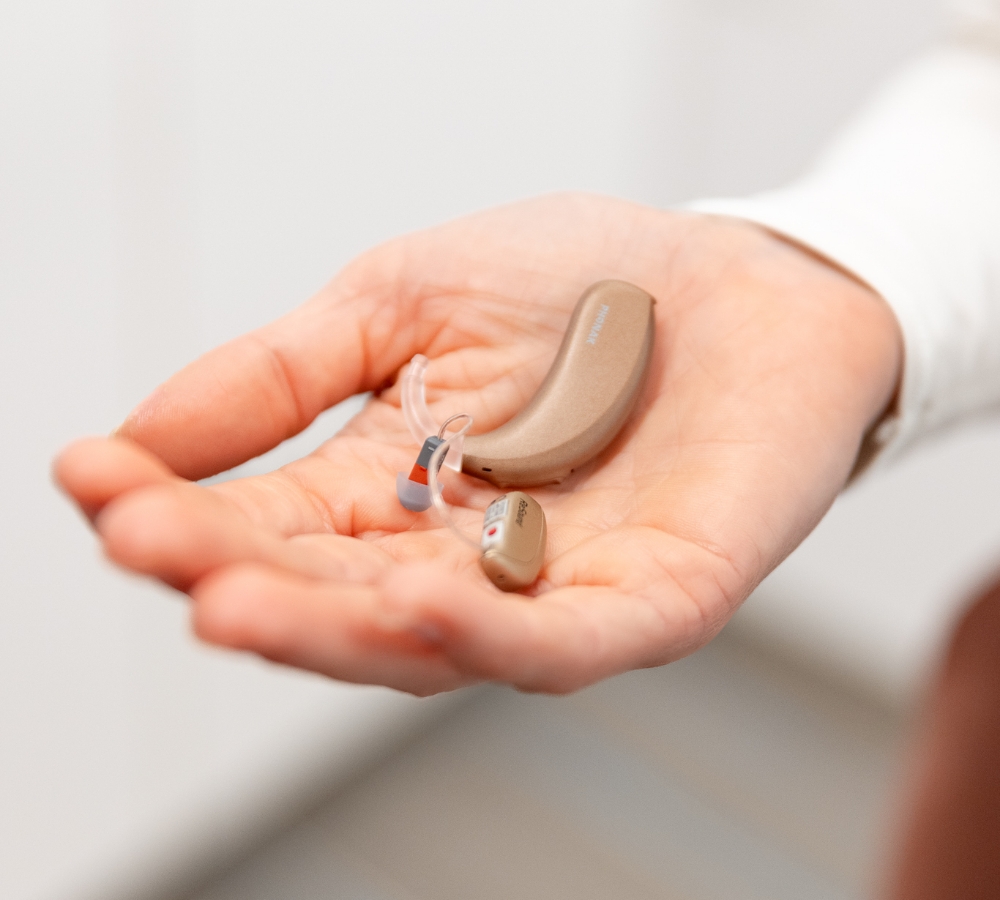
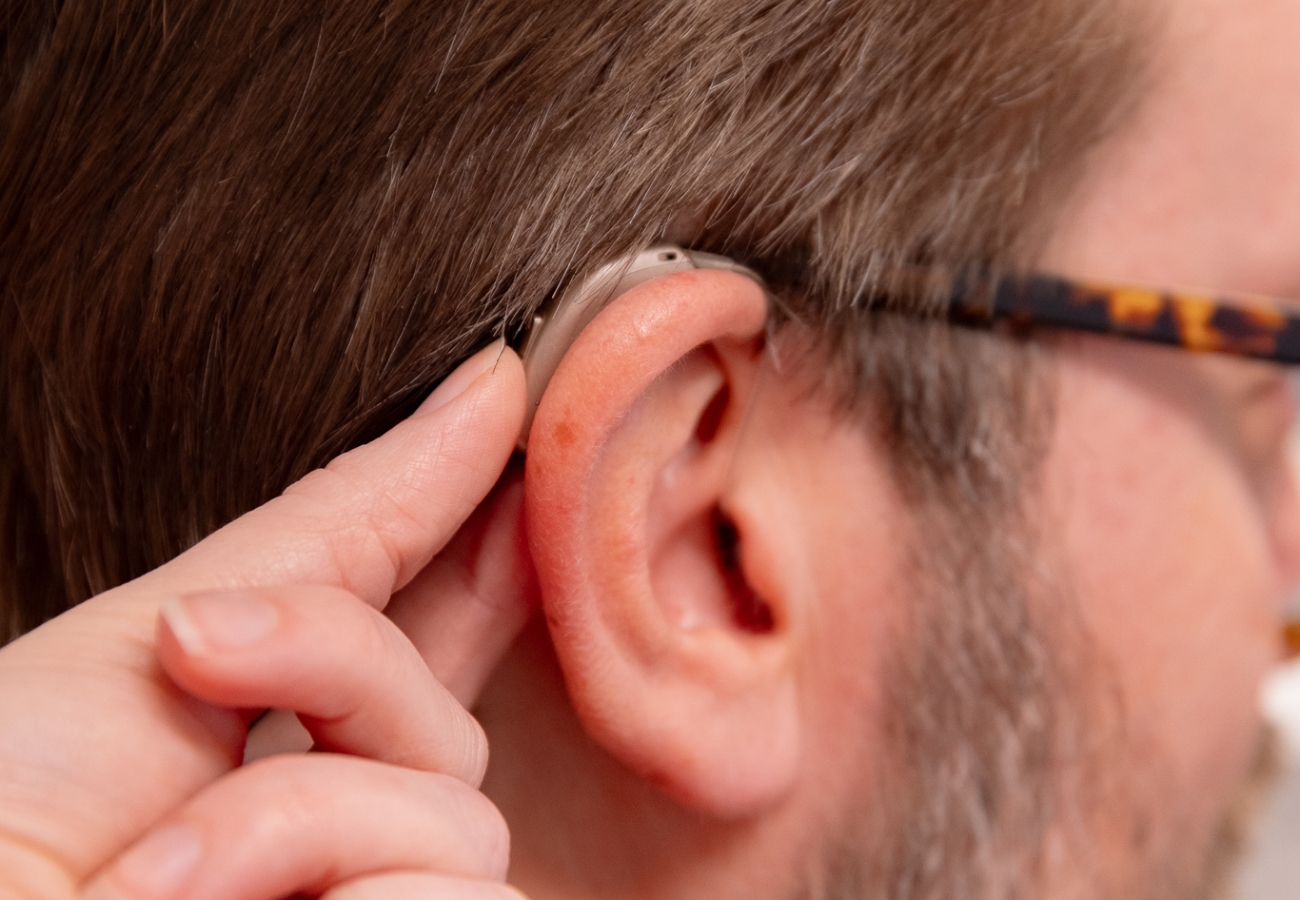
Choosing hearing aids involves more than selecting a style. We consider your hearing test results, ear anatomy, daily routine and the features that matter most to you. We’ll explain the differences between behind-the-ear (BTE), in-the-ear (ITE) and canal-worn models. We’ll also discuss features like directional microphones, Bluetooth connectivity and automatic sound adjustments.
As an independent clinic, we work with all major manufacturers, allowing us to recommend hearing aids based on your hearing needs and preferences rather than a single brand.
The Fitting Process
Your fitting appointment is when your hearing aids are programmed using your hearing test results. We’ll make adjustments based on your feedback so they’re comfortable and suited to your hearing needs.
You’ll also learn how to insert and remove the devices, clean them, charge or change the batteries and recognize the different alert tones. Before you leave, our clinicians verify that your devices are providing the right amount of amplification and make any final adjustments needed.
Real Ear Measurement – What it Checks
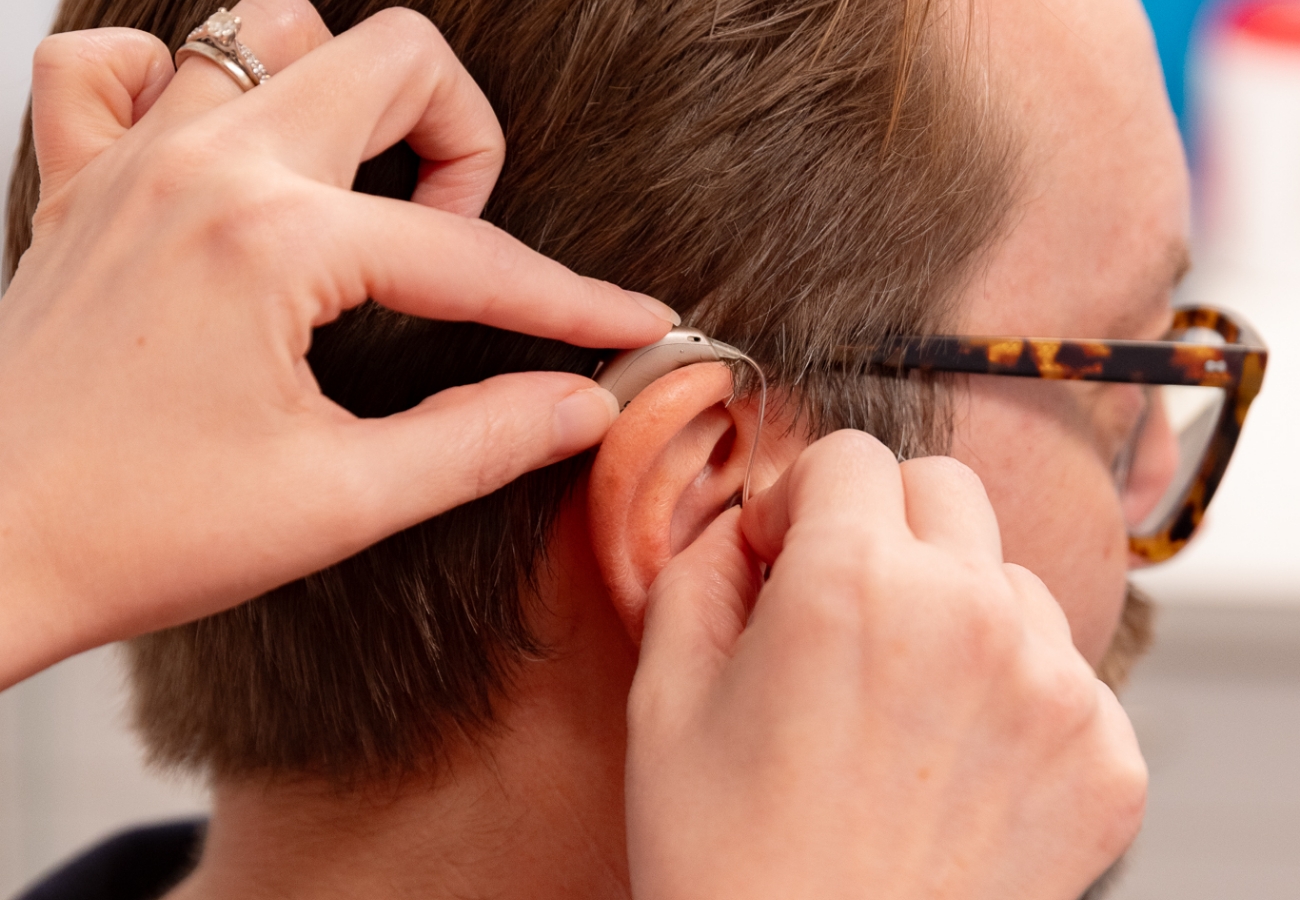
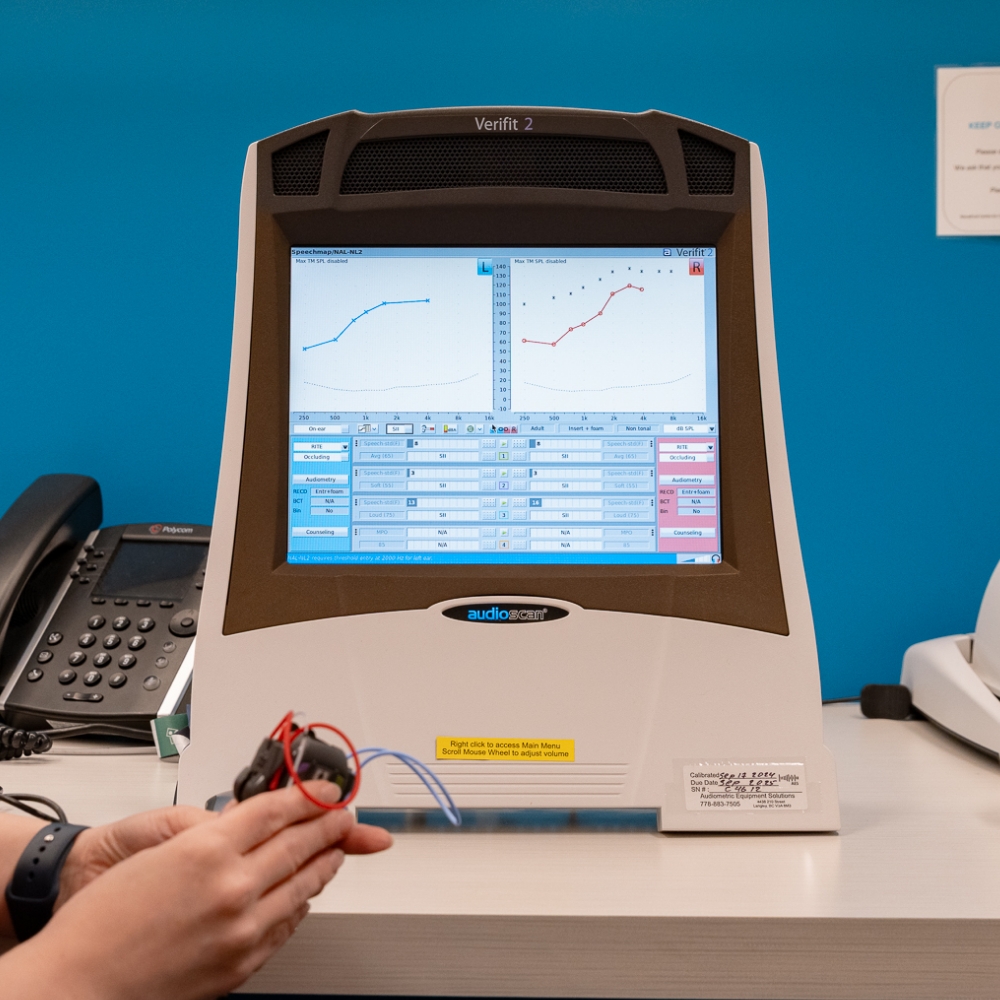
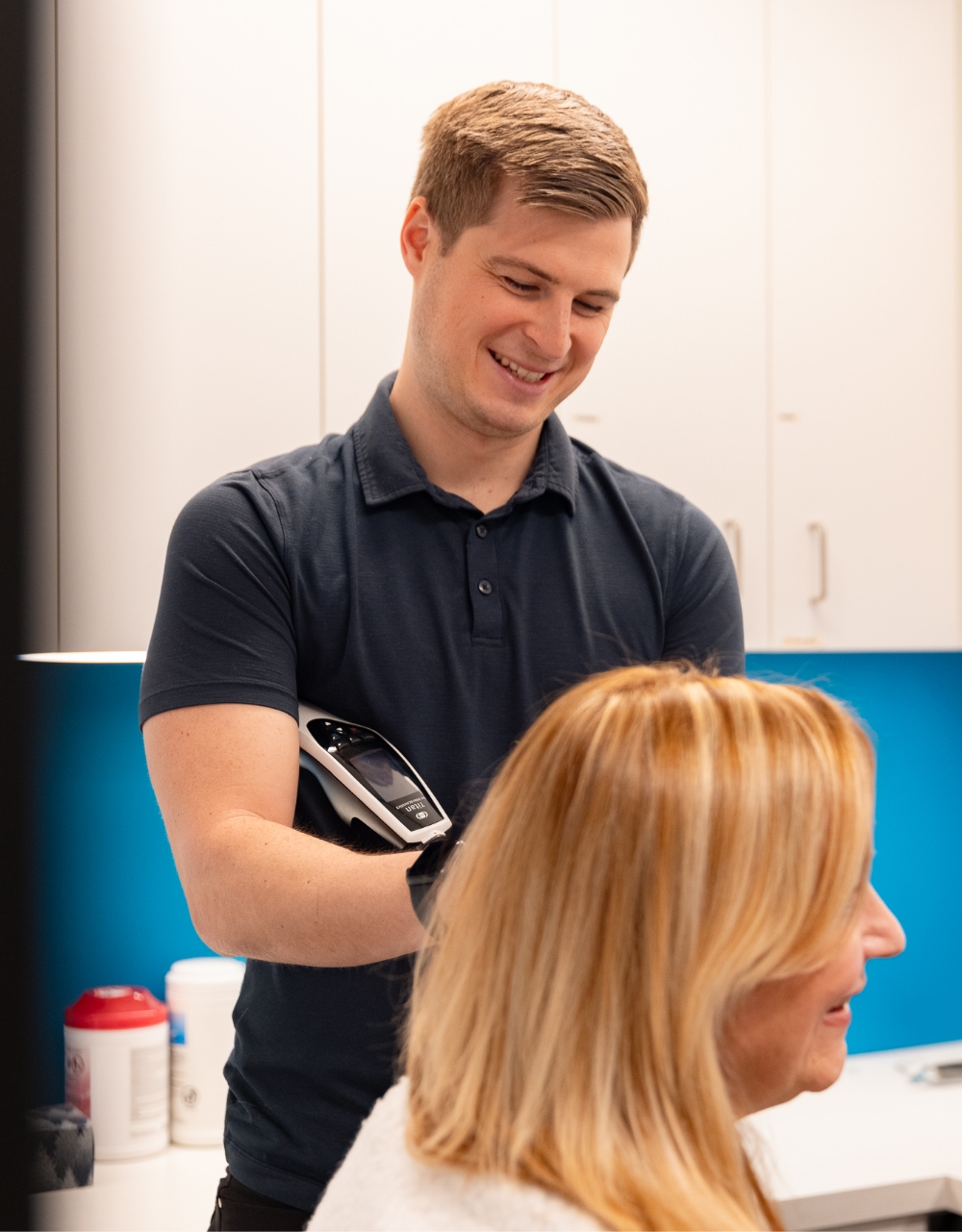
Real ear measurement checks how your hearing aids perform inside your ears. A thin probe microphone is placed in your ear canal beside the hearing aid. It measures the sound reaching your eardrum as different sounds are played.
We compare those measurements with targets based on your hearing test. If something is too soft or too loud, we adjust the settings and measure again. This confirms how the hearing aids are working in your ears rather than relying on general estimates.
Why REM May Be Repeated
Real ear measurement is often used during the initial fitting, but it may also be repeated during annual reviews. Your hearing can change, and the fit or performance of your hearing aids may change as well. Even small changes in the ear canal can affect how sound is delivered.
Repeating REM helps us confirm that your current settings still suit your hearing. It can also show where further adjustments may help.
Free Trial Period
Hearing aids can take some getting used to, especially during the first few weeks. Try wearing them in different places, including quiet rooms, family conversations and busier settings. This gives you a better sense of what feels right and what may need adjusting.
We will check in with you during the trial period to hear how things are going. You can tell us what sounds comfortable, what feels distracting and where you are still having trouble. We can then adjust the programming or discuss another style if something else may suit you better.
Support During Your Warranty
Your care does not end once you take your hearing aids home. Follow-up visits during the warranty period give us time to check the devices, answer questions and make changes when needed. These appointments are included as part of your service package.
Hearing Aid Performance Checks
During a check-up, we test the main parts of your hearing aids and make sure the settings still match your hearing.We also look for small problems that may be affecting the sound or causing the devices to work less reliably. Catching these issues early can often prevent a more frustrating problem later.
Professional Hearing Aid Cleaning
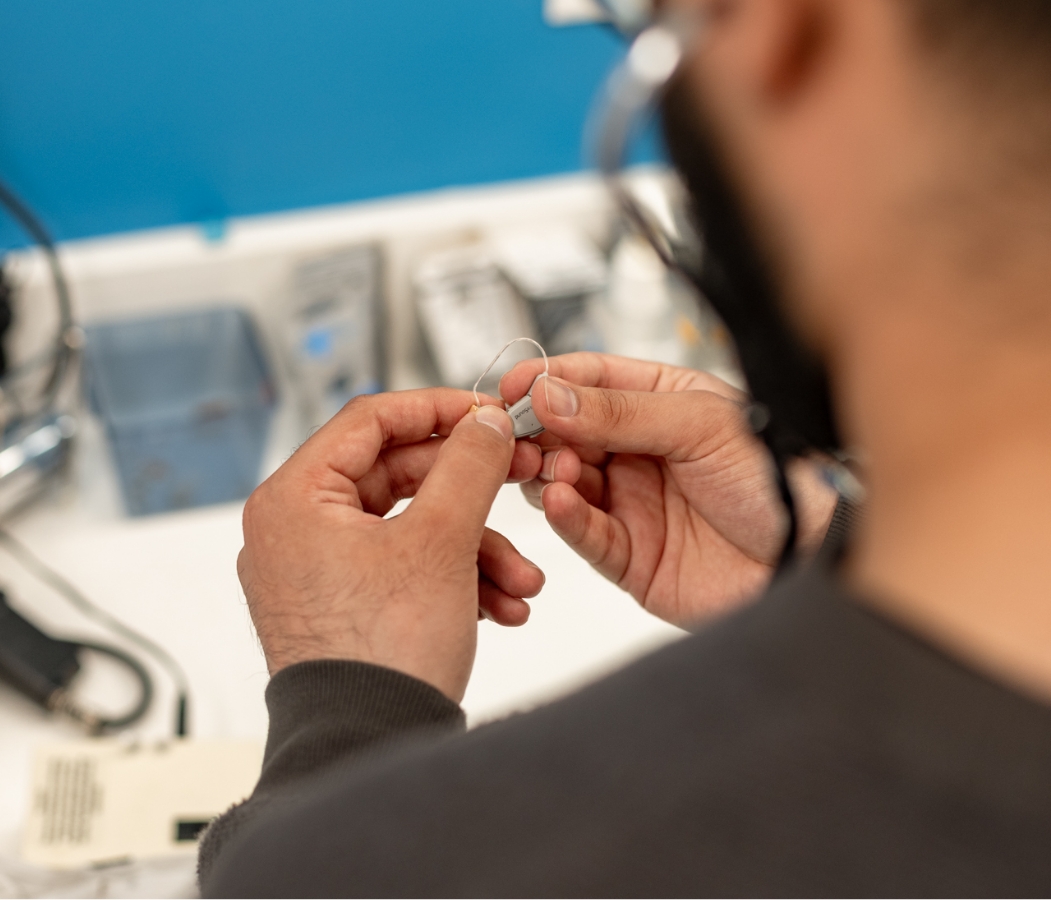
Cleaning your hearing aids at home helps with everyday wax and moisture, but some buildup can settle deeper inside.A professional cleaning clears the microphone openings, receivers and other areas that are harder to reach. This can improve sound quality and help your hearing aids continue working as they should.
Flexible Appointment Options
We offer remote and virtual appointments when they’re a better fit for your schedule. Many programming adjustments, follow-up questions and concerns can be addressed from home. These appointments give you another way to work with our team between office visits.
Custom Earmould Services
If your aids require earmoulds, we provide impressions as needed throughout your warranty period. Earmoulds may need replacement due to wear, changes in ear shape or comfort issues. Proper fit ensures optimal sound delivery and prevents feedback problems.
Component Replacement
Receivers, wax guards and domes are routine replacement parts for hearing aids. They may be replaced over time as part of regular maintenance. Our service package includes these replacement components as part of your ongoing care.
Programming Adjustments
Hearing can change, and your hearing aids may need to change with it. If things start sounding too soft, too sharp or just different, we can adjust the settings. Sometimes a few small changes are all it takes to make listening feel easier again.
Loaner Hearing Aids
If your hearing aids need to be sent away for repair, we may be able to lend you a pair in the meantime. That way, you are not left without them while you wait. Availability can vary, but we will do our best to keep the interruption as short as possible.
Looking After Your Hearing Aids
Hearing aids pick up wax, moisture and debris through everyday wear. Bringing them in every three to six months helps keep them clean and working properly. Some people may need more frequent service, depending on wax buildup and where they wear their devices.
Between visits, give them a quick wipe with a dry cloth and check for visible wax or debris. Keep them in their case when you are not wearing them. You can also use your appointment to mention anything that has been sounding off or ask questions about daily care.
Frequently Asked Questions
How do I know if I need hearing aids?
If hearing difficulties are making conversations or other listening situations harder to follow, it’s time for a hearing evaluation. A hearing test can determine whether hearing aids are appropriate and, if they are, which type best matches your hearing needs.
Do hearing aids restore normal hearing?
Hearing aids improve hearing, but they don’t restore it to normal. They amplify and clarify sounds based on your hearing test results, making speech easier to understand in many listening situations. Some environments, like places with a lot of background noise, may still be more difficult than quiet settings.
How much do hearing aids cost?
Hearing aid costs depend on different technology levels, styles and feature sets. During your consultation, we’ll explain the differences between the available models and help you compare the features that best fit your hearing needs and daily routine.
Is there financial assistance for hearing aid purchases?
Several programs in Canada may provide financial assistance for hearing aids, including WorkSafeBC, Veterans Affairs and some provincial assistive device programs. Private organizations and service clubs may also offer funding. We can explain the programs that may apply to you and help you with the application process.
Are hearing aids covered by insurance?
Some extended health plans include coverage for hearing aids, but the amount and requirements vary. It is best to check your policy or contact your insurance provider before your appointment. We can provide the information needed to submit a claim.
What kinds of hearing aids are available?
Hearing aids are available in behind the ear, receiver in canal, in the ear and in the canal. They also come with different technology levels and rechargeable options. We’ll review the available styles and features with you during your evaluation.
How long does it take to get used to hearing aids?
Most people adjust to hearing aids within several weeks to a few months. The first few days often sound different as your brain readjusts to sounds you haven’t heard clearly in some time. Follow-up adjustments during this period optimize comfort and performance based on your experiences.
Will hearing aids eliminate background noise?
Hearing aids can make background noise less distracting, but they cannot take it away completely. Many are designed to help voices come through more clearly when other sounds are happening around you. You will still hear some of the room, traffic or conversation nearby, which helps the setting sound more natural.
Can I connect hearing aids to my smartphone?
Most current hearing aids offer Bluetooth connectivity with smartphones. This allows you to stream phone calls, music and videos directly to your hearing aids. Many models also include apps for adjusting volume, changing programs and other settings.
Are hearing aids visible?
Many of today’s hearing aids are very discreet. Behind-the-ear models use thin tubing that sits close to the ear, while in-canal styles fit inside the ear canal. How visible they are depends on the style you choose and the shape of your ears.
How long do hearing aids last?
Hearing aids typically last five to seven years with proper care. Their lifespan depends on factors like use, maintenance, earwax and moisture exposure. Regular servicing helps keep them working properly throughout that time.
How often should hearing aids be serviced?
Professional servicing is recommended every three to six months, although the schedule varies from person to person. Earwax production, moisture exposure and wear all influence how often your hearing aids should be checked and cleaned.
Can hearing aids help with tinnitus?
For some people, hearing aids can make tinnitus less noticeable by bringing more everyday sound back into the mix. Some models also include sound therapy features that may help with ringing or buzzing.
What happens if my hearing changes over time?
If your hearing changes, your hearing aids can often be adjusted to match your updated hearing test results. Regular hearing tests show when those adjustments are needed. If your hearing changes significantly, a different hearing aid may be recommended.
Can hearing aids get wet?
Most current hearing aids resist moisture but aren’t waterproof. Light rain or sweat is usually not a problem, but they should be removed before swimming or showering. Drying your hearing aids each night also helps reduce moisture buildup.
What if I lose a hearing aid?
Loss coverage varies by manufacturer and warranty. Some warranties include one-time replacement coverage and optional insurance may provide additional protection. Many hearing aids also include smartphone features that can help locate a misplaced device. If you lose a hearing aid, contact our clinic to discuss your replacement options.
Can I get away with only one hearing aid?
If you have hearing loss in both ears, two hearing aids usually provide better results than one. They improve sound localization and make conversations easier to follow in background noise. If only one hearing aid is appropriate for your hearing, your clinician will discuss that with you during your evaluation.
How often should I have my hearing tested?
If you wear hearing aids, an annual hearing test is generally recommended. It shows whether your hearing has changed since your last appointment and whether your hearing aid programming should be updated. Unlike a routine service visit, a hearing test evaluates your hearing, not just your hearing aids.