
Hearing Aid Technology
Find the Best Hearing Aid for Your Unique Type of Hearing Loss
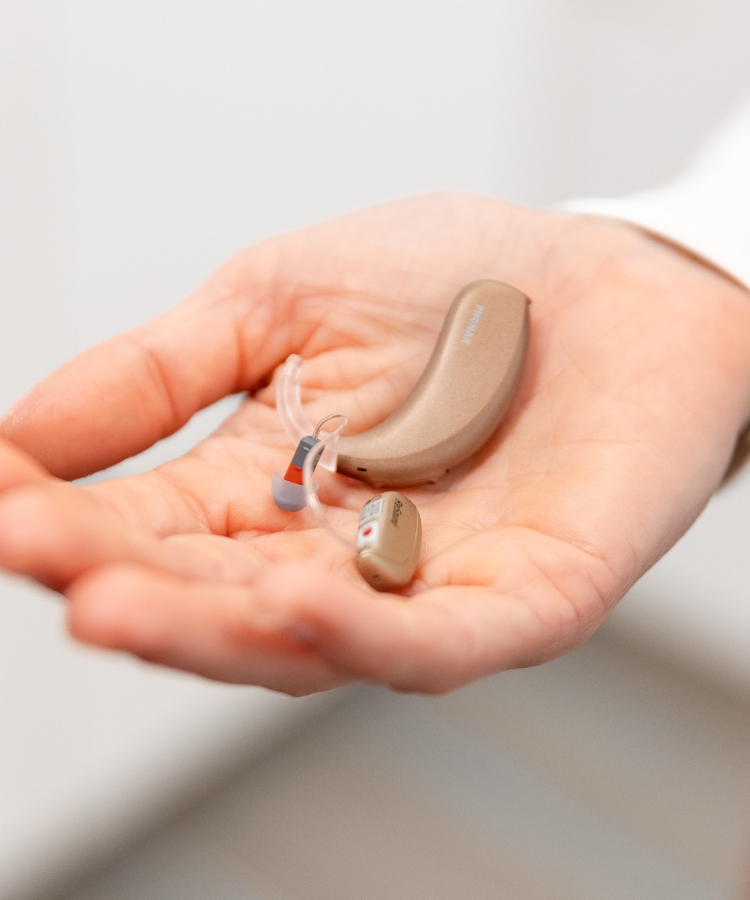
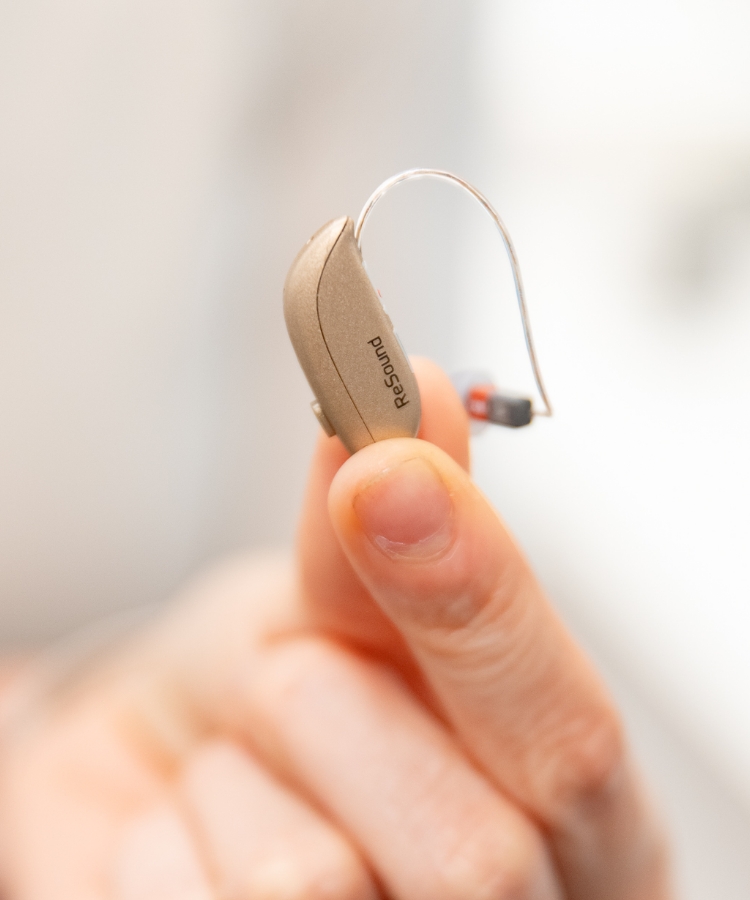
Hearing aid technology has improved dramatically over the years and today’s devices fit seamlessly into modern life. From small and discreet to high-powered and packed with features, our clinic has a solution that meets your hearing loss needs, lifestyle and budget.

What to Consider When Choosing a Hearing Aid
No two cases of hearing loss are exactly alike. Everyone experiences sound differently and choosing the best hearing aid depends on your unique type of hearing loss, lifestyle, budget and preferences. While there are several different levels of technology on the market, hearing aids typically fall into one of four categories: basic, standard, advanced and premium.
- Basic hearing aids are the lowest cost option. These devices provide basic sound amplification without any extra features and technology.
- Standard hearing aids offer slightly more advanced sound quality. They are a good option for people who primarily require hearing aids for one-to-one conversation in minimal background noise.
- Advanced hearing aids are best suited for those who live a slightly more active lifestyle. These are better able to manage background noise in small groups, coffee shops, and restaurants.
- Premium hearing aids provide the highest sound quality, best noise reduction technology, and are the most adaptable hearing aids if you prefer your hearing aids to adjust automatically changes in your environment rather than using manual controls. They come with the most features and are suitable for the largest variety of lifestyles.
The best way to find the right level of technology for your needs is to schedule a hearing evaluation. This allows your provider to get to the root of your hearing loss symptoms and recommend the best hearing aid for your needs and preferences.
Types of Hearing Aid Technology
Rechargeable Hearing Aids
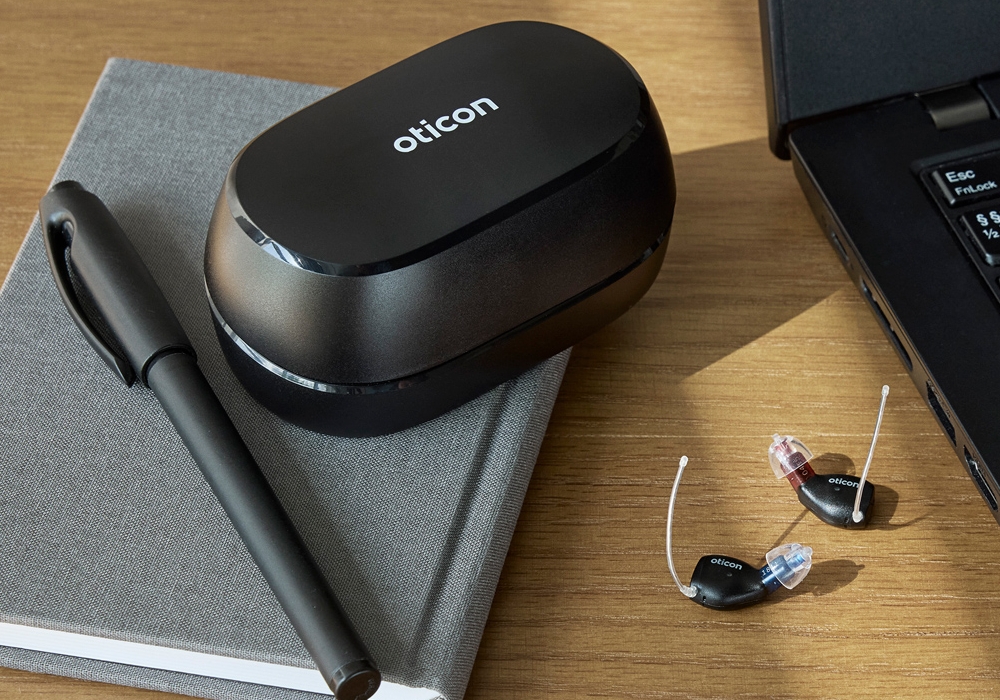
Traditionally, hearing aids had disposable batteries that needed to be changed regularly. Rechargeable hearing aids offer the convenience of overnight charging, just as you would recharge your smartphone or tablet device. They’re great for people who live active, on-the-go lives that don’t want to deal with the hassle of disposable batteries. Many manufacturers also offer cases that charge your devices so you can power up anywhere.
Rechargeable hearing aids have grown in popularity, and as a result, there are many varieties available on the market. Keep in mind that most rechargeable devices come in a behind-the-ear (BTE) or in-the-ear (ITE) style hearing aid, and you likely won’t find them in smaller, canal-worn styles. Additionally, rechargeable batteries typically can’t be removed, so you may be without your hearing aids if the battery component needs repairs. Most models generally take about three hours to recharge and can last a full day.

Bluetooth & Streaming
If you frequently use a cellphone, television or other electronic devices, you may find hearing aids with streaming capabilities incredibly useful. Many modern hearing aids use Bluetooth technology to stream sound from compatible devices directly to your hearing aids, allowing you to enjoy clearer audio from the source.
Streaming capabilities are available in many hearing aid styles, including behind-the-ear, in-the-ear and in-the-canal models. Available features and device compatibility vary by hearing aid model and manufacturer. Some devices support direct Bluetooth streaming, while others may require a compatible accessory. Streaming can make it easier to use everyday technology, whether you are making phone calls, joining a virtual meeting, listening to music or watching television.
Some hearing aids may reduce your awareness of surrounding sounds while streaming, depending on the device and your listening settings. Streaming features may also require an initial setup or additional accessories. Your hearing healthcare provider can help you identify compatible devices, establish the connection and adjust your settings based on your listening needs.
Smartphone Connectivity and Apps
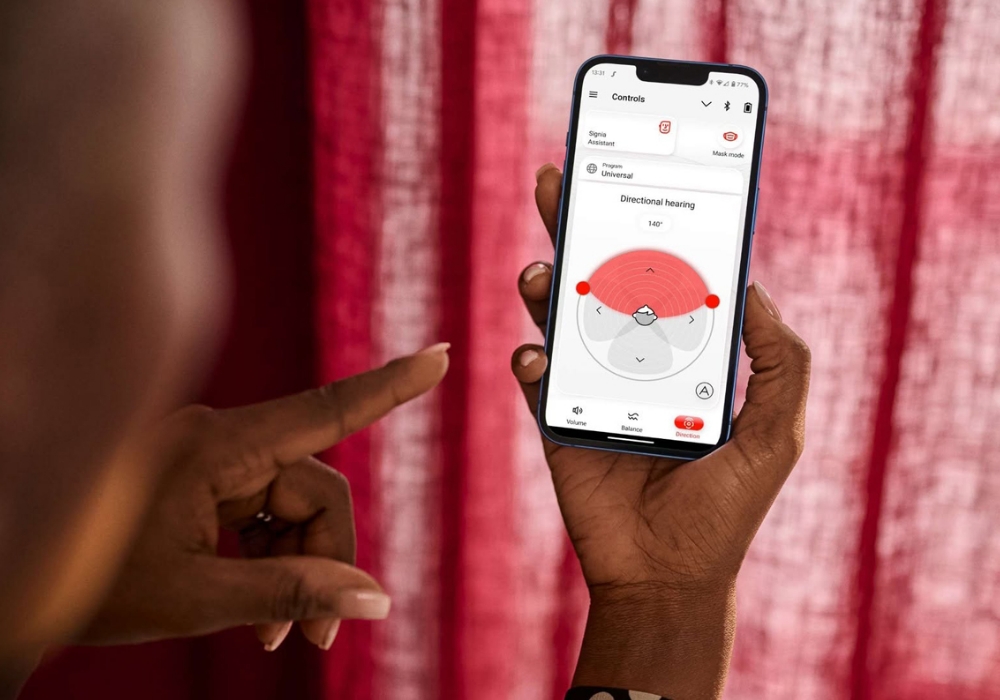
Hearing aids that offer Bluetooth typically come with smartphone compatibility. This feature allows you to stream calls and audio from your smartphone directly to your hearing aids. Smartphone compatible technology transforms your hearing aids into headphones, making them a great choice for hands-free phone calls.
Many hearing aid manufacturers offer smartphone apps that sync with your hearing devices. If you’re constantly moving from one environment to the next, apps can make adjusting your settings a breeze. Typically, they allow you to discreetly adjust the volume, save sound settings for specific situations and some even offer sound therapy for tinnitus.

Water-Resistant Hearing Aids
Hearing aids work best when they are clean and dry, as moisture can damage the sensitive electronic components of a device. Sweat, humidity and rainy weather can impact your hearing aids’ performance, but luckily, technology has evolved to help make them more resilient against water damage.
Most hearing aids that offer protection from moisture are water-resistant, but not 100% waterproof. Despite not being truly waterproof, water-resistant devices can still dramatically lower the chance of damage when exposed to small amounts of moisture. They are excellent choices for people who enjoy water-related hobbies like fishing, live in humid climates or who tend to sweat more heavily.
Hearing aids are given IP ratings to determine their resistance to dust and water. When evaluating hearing aids, talk with your provider about your lifestyle and habits. They will be able to help you choose a device with the best IP rating to suit your needs.
Additional Hearing Technology Features and Benefits
Sleek, Discreet Design
People often assume hearing aids are cumbersome and clunky, but thanks to technological advancements, even many high-powered, outside-the-ear devices are sleek and hard to notice. A number of the industry’s top manufacturers offer invisible-in-canal (IIC) devices that are virtually undetectable and custom-molded to fit your ear anatomy. Though they provide exceptional sound quality, IIC devices are usually only recommended for those with mild to moderate hearing loss.
Enhanced Speech Comprehension and Sound Quality
Today’s hearing aids don’t just amplify sound, they provide an immersive listening experience as close to natural hearing as possible. As technology has evolved, hearing devices have gotten better at differentiating speech from background noise, ensuring those with hearing loss don’t miss out on moments of connection with others. Many hearing aids offer various settings that can adjust depending on the wearer’s surroundings.
Tinnitus Masking Features
If you struggle with tinnitus symptoms, a number of hearing aids offer features that can help mask ringing, buzzing and clicking sounds in the ears. These masking features are known as tinnitus sound generators (TSG) and they work by emitting a soft, white noise that can partially or completely mask tinnitus symptoms. As we mentioned above, many manufacturers also offer apps that provide sound therapy for tinnitus