
Understanding Hearing Loss
You might hear someone speaking but miss a few words. Busy restaurants may feel harder than they used to, or the television may keep getting turned up. These changes can become more noticeable across the Lower Mainland, where traffic, transit and crowded public spaces add more sound to sort through. The cause depends on which part of the hearing system is affected.
At Wavefront Hearing, we help you understand what may be behind those changes. Knowing the type of hearing loss can explain why certain situations feel harder and what may help.
Conductive Hearing Loss
Conductive hearing loss happens when sound is blocked somewhere in the outer or middle ear. Earwax, fluid, an infection, a perforated eardrum or changes to the middle ear bones can all cause it.
Sounds may seem quiet or muffled, though speech can become easier to understand when the volume is raised. Treatment depends on the cause and may include medical care or hearing aids.
Sensorineural Hearing Loss
Sensorineural hearing loss affects the inner ear or the nerve that carries sound information to the brain. It is the most common type of permanent hearing loss.
Voices may sound loud enough, but certain words can still be difficult to understand, especially with background noise. Age, loud noise, some medications, infections, head injuries and genetics can all contribute.
This type of hearing loss is usually permanent. Hearing aids may help make speech clearer and reduce the effort needed to follow conversations.
Mixed Hearing Loss
Mixed hearing loss occurs when conductive and sensorineural hearing loss are present at the same time.
That means there are problems in both the outer or middle ear and the inner ear or auditory nerve. Treatment may include addressing the conductive hearing loss first, followed by hearing aids if they’re appropriate for the remaining hearing loss.


The Hidden Costs of Hearing Loss
Hearing changes can be easy to brush off at first. You may turn the television up, ask people to repeat themselves or avoid noisier places without thinking much about it.
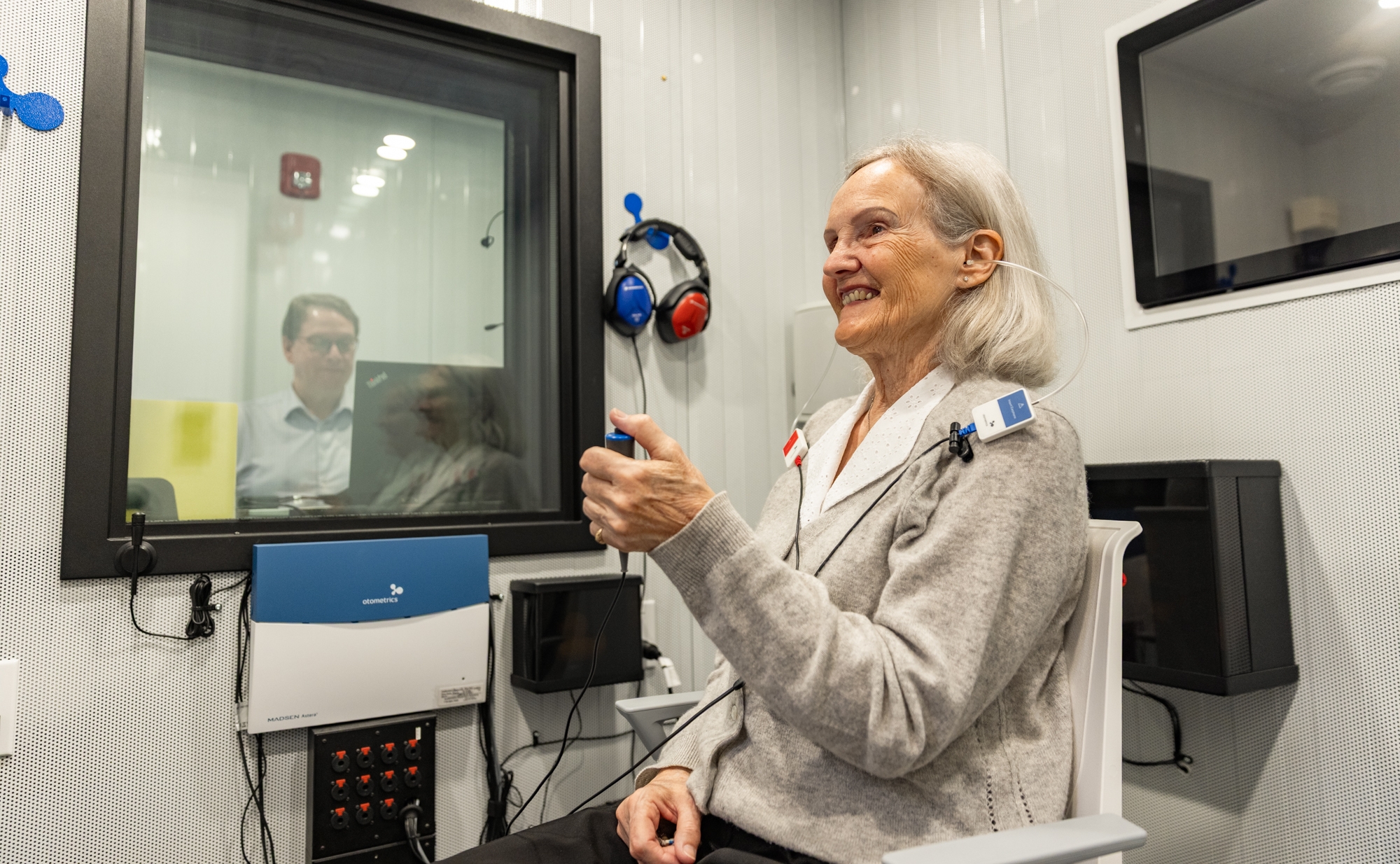
You may also wonder whether the problem is serious enough to have checked. A hearing assessment can show what you are hearing now and identify any changes that may need attention.
Communication Breakdown
Conversations may become harder to follow, especially in groups or places with background noise. You might hear a voice but miss certain words or misunderstand what was said.
Phone calls and fast-moving discussions can also take more effort. These difficulties may gradually affect communication with family, friends and coworkers.
Relationship Strain
Small misunderstandings can begin to affect the people closest to you. A spouse may think you are ignoring them when you did not hear a comment from another room.
Children or grandchildren may lose interest in repeating a story several times. Family dinners and social gatherings can also become frustrating when several people are talking at once.
Professional Challenges
Hearing difficulties can make meetings, conference calls and workplace conversations harder to follow. You may miss an important detail when several people speak or when visual cues are limited.
This can create extra stress in positions that rely heavily on communication. It may also make it harder to participate fully in discussions or take on new responsibilities.
Emotional and Mental Health Impact
When you are not sure you heard someone correctly, it is easy to start second-guessing yourself. That can make regular conversations feel more tiring than they used to.
Even ordering coffee or answering the phone may take more effort.Hearing loss may also affect your mood. You might feel embarrassed about misunderstanding conversations or frustrated when listening takes extra effort.
Physical Safety Concerns
Hearing provides important information about your surroundings. Untreated hearing loss may make it harder to hear approaching vehicles, smoke alarms or emergency alerts.
The inner ear is also involved in balance, and hearing loss is associated with a higher risk of falls, particularly in low-light conditions.Emergency situations may also be more difficult if warnings or instructions aren’t heard clearly. That includes fire alarms at work or announcements in public spaces.