
Tinnitus & Hyperacusis Treatment
Ringing, buzzing or sensitivity to everyday sounds can follow you into nearly every part of the day. Traffic, construction or a busy SkyTrain ride may make those symptoms even harder to tune out.
At Wavefront Hearing, we look at how tinnitus or sound sensitivity is affecting your sleep, concentration and daily routine. From there, we can recommend treatment and strategies to help you manage your symptoms.
What Is Tinnitus
Tinnitus is the sound of ringing, buzzing, hissing, whistling or clicking when nothing around you is causing it. It may affect one ear or both, and it can come and go or stay for long periods. Tinnitus is a symptom rather than a condition on its own.
It is often linked to hearing loss, but it can also happen when hearing test results are normal. Some people barely notice it, while others find it affects multiple facets of life.
An assessment can help identify what may be contributing to the sound and which management options may help.
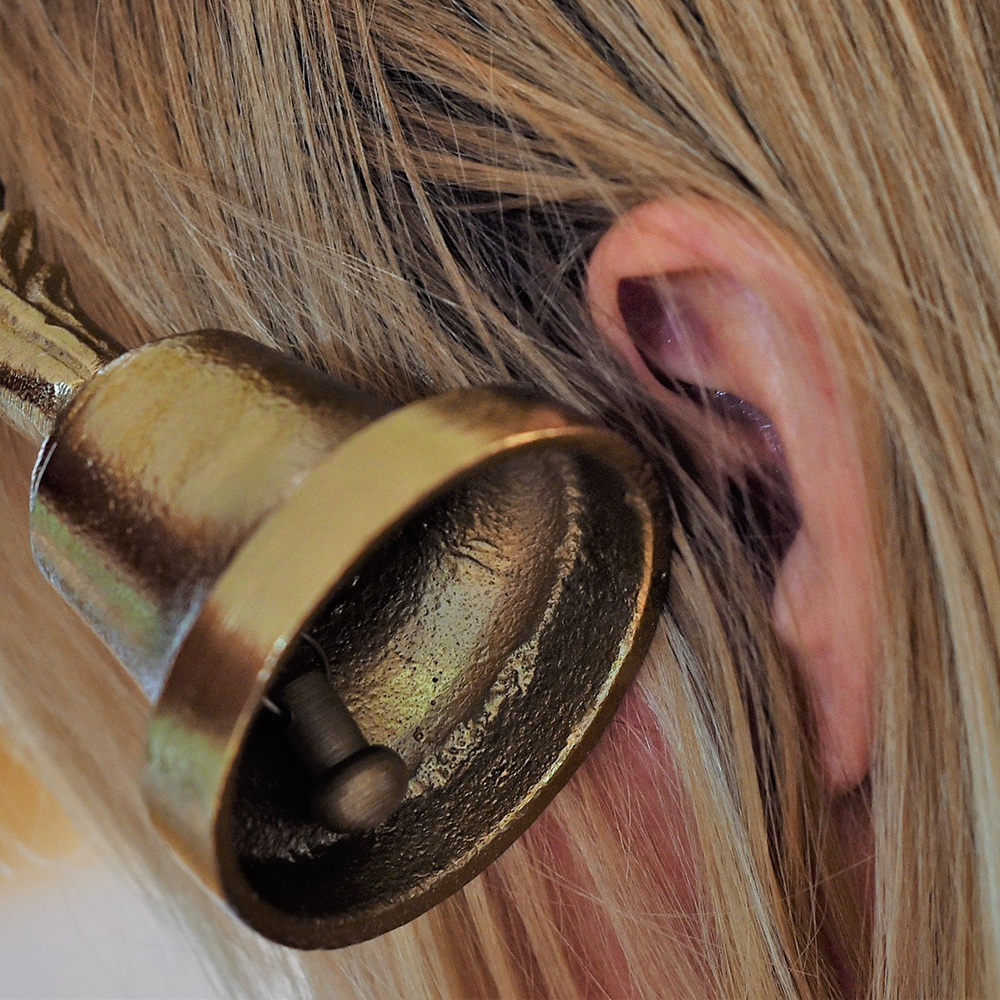
Hyperacusis and Sound Sensitivity
Hyperacusis makes routine sounds feel much louder than they should. Traffic, dishes clattering or a busy restaurant may become uncomfortable or hard to tolerate. As a result, you may start avoiding places or activities that used to feel manageable.
Not all sound sensitivity is caused by volume, though. With misophonia, the reaction is tied to specific sounds, such as chewing, breathing or repetitive tapping. These sounds may trigger a strong emotional response even when they are quiet.
A hearing and tinnitus assessment can help determine what kind of sound sensitivity you are experiencing. It can also check whether another hearing or balance issue may be contributing.
How Professional Evaluation Helps
Tinnitus and sound sensitivity can develop for several different reasons, so a detailed evaluation is an important first step. We begin with a discussion about your symptoms, medical history, medications and noise exposure.
That conversation is followed by a comprehensive assessment. Depending on your symptoms, we may also complete tinnitus testing to measure the pitch and loudness of the sound you hear.
Sound sensitivity testing can identify the volume levels that become uncomfortable. We may also examine your ears for conditions like earwax buildup or middle ear problems that could be affecting your hearing.
The results are reviewed together to identify whether hearing loss, tinnitus, hyperacusis or another issue may be contributing to your symptoms.
Treatment and Management Options
Modern tinnitus treatment includes several management options. Our clinicians will recommend an approach based on your hearing, your symptoms and the results of your evaluation.
Sound Therapy
Sound therapy introduces external sounds that reduce the contrast between tinnitus and a quiet environment. Background sounds from a fan, white noise machine or nature sounds often make the ringing or buzzing easier to ignore, especially in quiet settings. Many people also use sound therapy apps throughout the day.
Hearing Aids with Tinnitus Features
When hearing loss and tinnitus occur together, hearing aids may be part of your management plan. They amplify surrounding sounds, which reduces the contrast between tinnitus and your environment. Many models also include built-in tinnitus features that play white noise or other sound therapy options directly through the hearing aids.
Tinnitus Retraining Therapy (TRT)
Tinnitus retraining therapy combines sound therapy with counselling to change the way the brain responds to tinnitus. The program includes education about tinnitus, sound therapy and regular follow-up appointments. The goal is to reduce the brain’s response to tinnitus through repeated exposure to sound and structured counselling.
Progressive Management Strategies
Our individualized therapy programs draw from multiple evidence-based approaches. We offer several management approaches for tinnitus and hyperacusis based on your symptoms and assessment results.These may include progressive tinnitus management, tinnitus activities treatment, sound therapy and counseling. For hyperacusis, treatment may also include gradual sound desensitization to increase tolerance to everyday sounds.
Counseling and Support
Counseling is an important part of tinnitus and hyperacusis management. During your appointments, you’ll learn how these conditions affect the auditory system and why certain sounds or situations may seem more difficult than others. Counseling also covers practical strategies you can use alongside sound therapy and other treatment approaches.